The problem
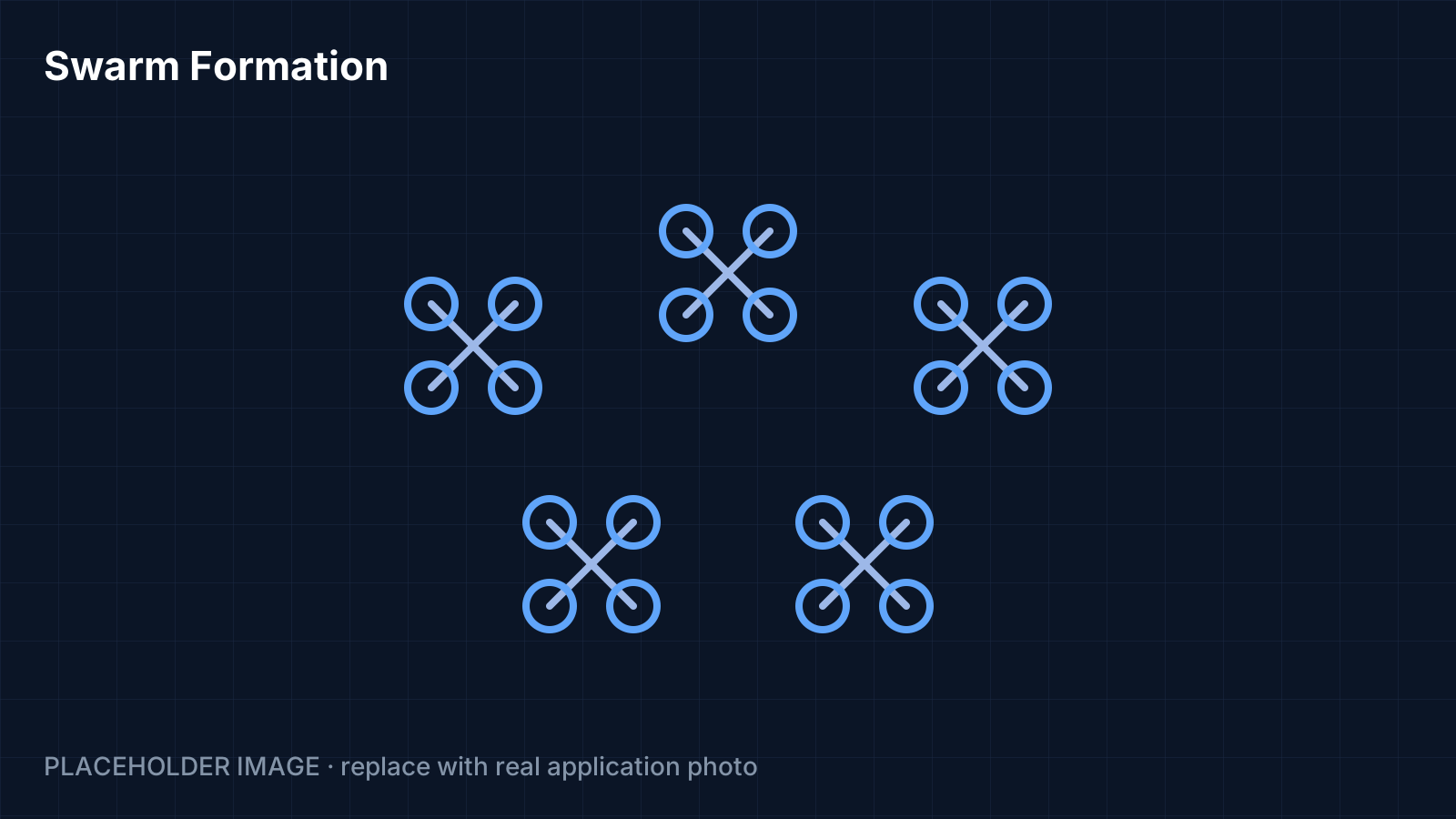
Swarm research dies on logistics: ten aircraft that each need flashing, binding and battery nursing before a single formation flight, then produce logs that aren’t time synchronized across the fleet. The science is distributed estimation and control — the friction is everything around it.
What the application demands
- Repeatable fleet setup — identical airframes, identical firmware, one imaging process for the whole fleet.
- Time synchronization — distributed algorithms need cross-vehicle timestamps tighter than the typical 20 ms NTP wobble. PTP-capable Ethernet on the onboard computers gets under 1 ms.
- Compact, agile airframes — indoor and close-formation work wants 250–450 mm machines with real thrust margin.
- One dev environment — the same ROS 2 graph across simulation and every vehicle.
Recommended configuration
| Role | Product | Why |
|---|---|---|
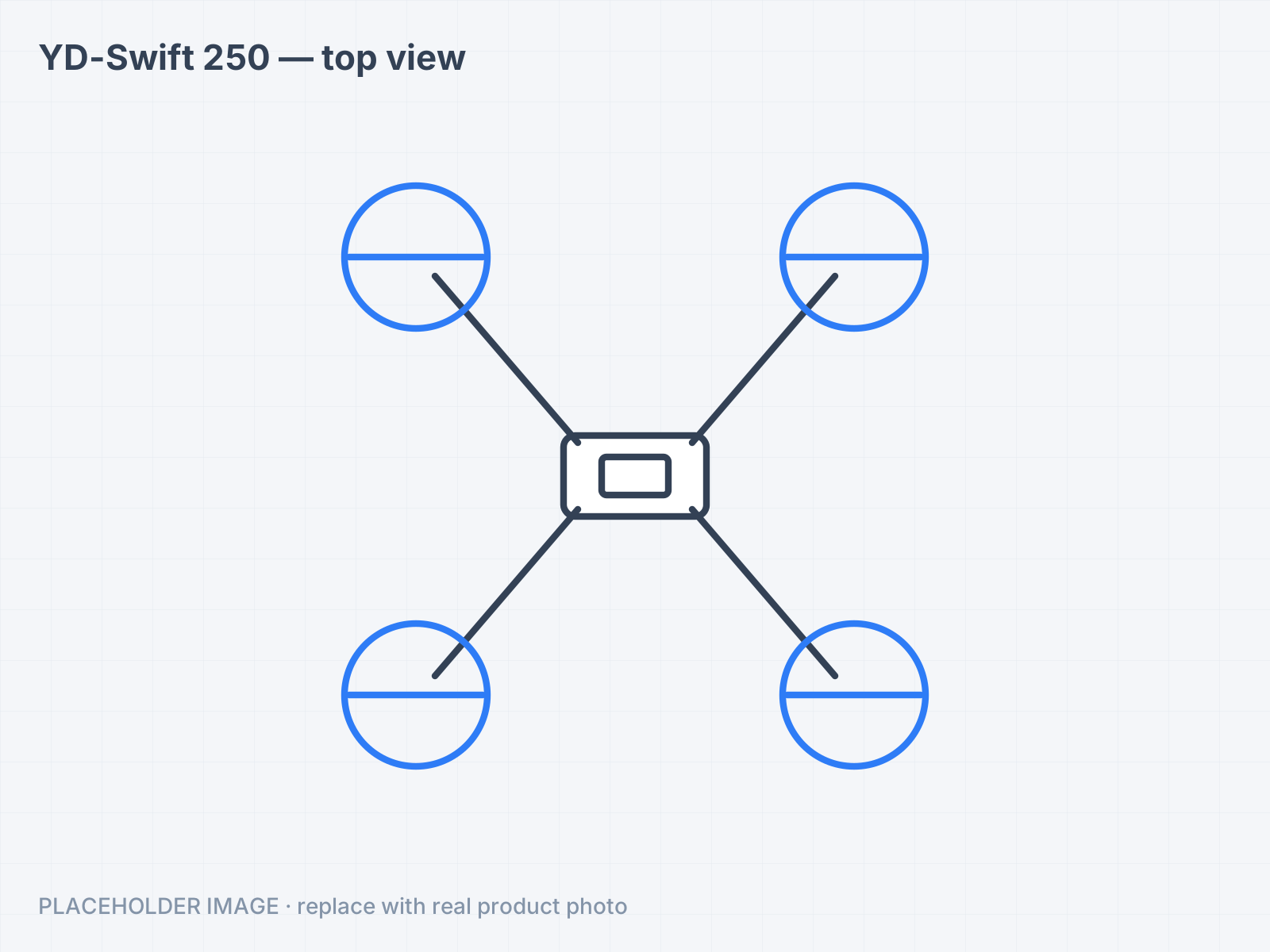
| Indoor fleet | YD-Swift 250 | 5:1 thrust-to-weight, full PX4/ROS 2 stack in 250 mm |
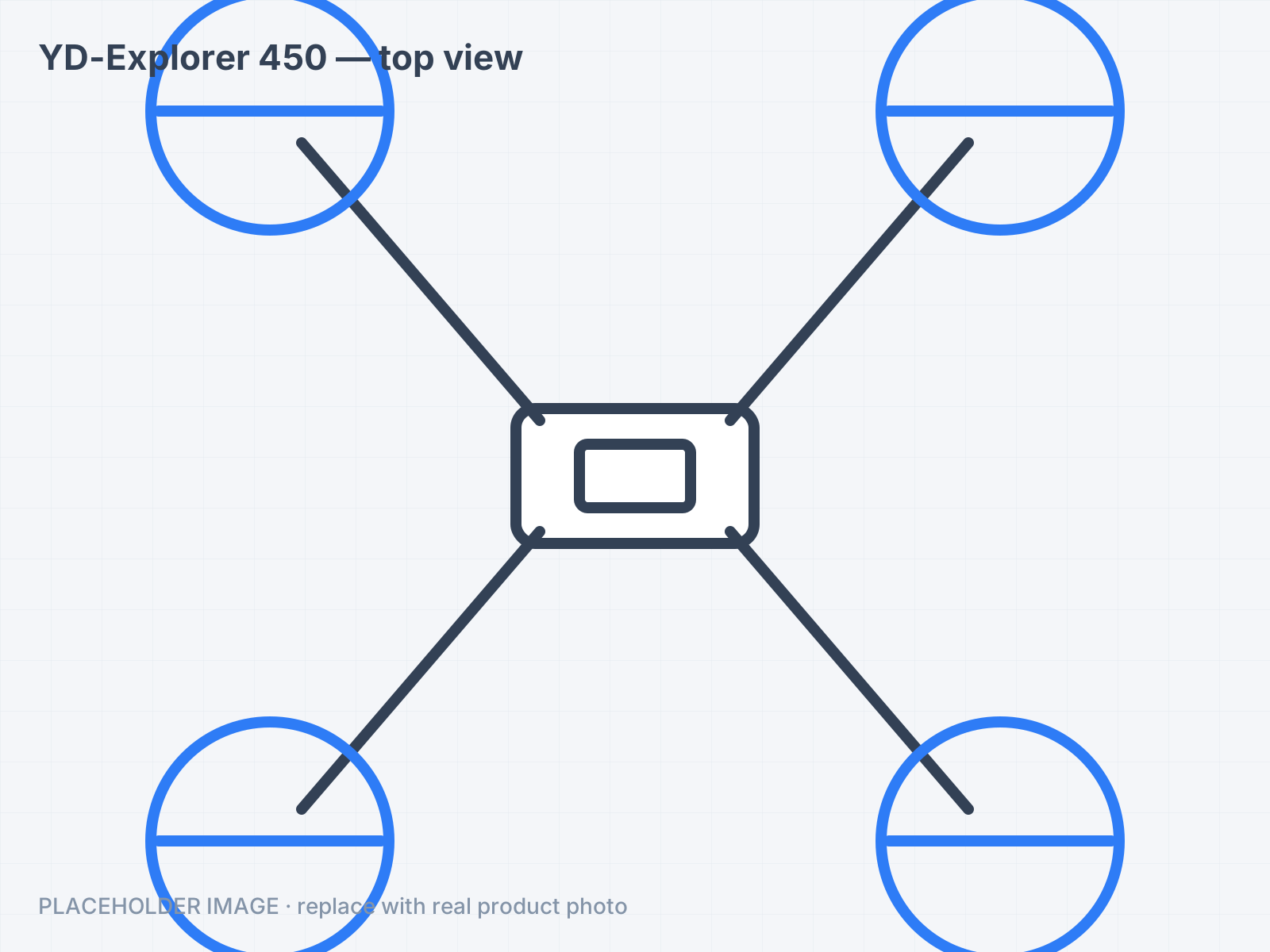
| Outdoor fleet | YD-Explorer 450 | 1.5 kg payload and RTK for larger formations |
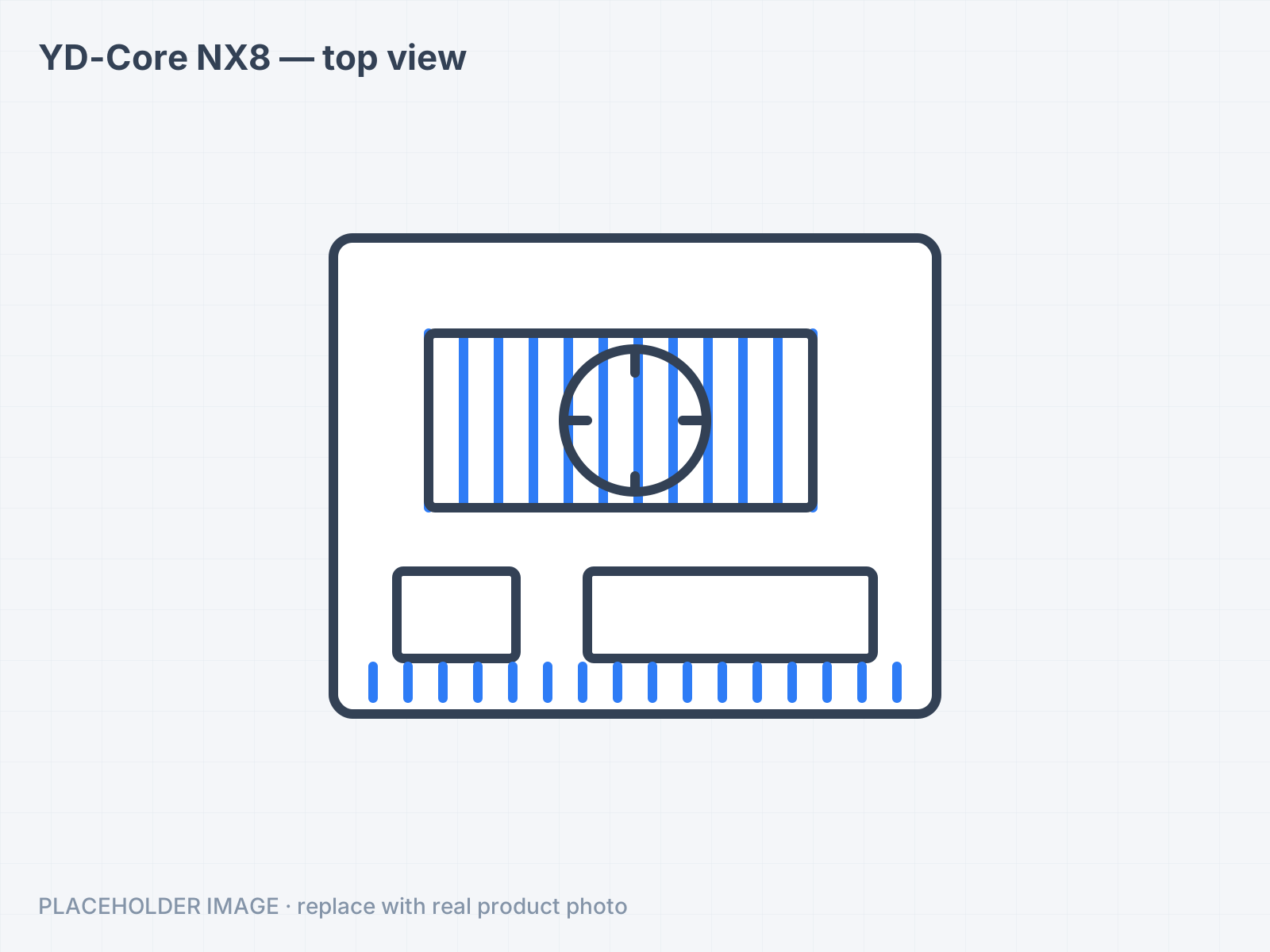
| Onboard computer | YD-Core NX8 | One per aircraft; PTP-synced GbE switch fabric |
The standard lab kit we quote: 6–10 aircraft, one ground compute unit, and the ROS 2 bridge pre-configured so a formation controller written in simulation flies on the fleet unchanged.